Hey there, it’s Jake from the aluminum profile drilling machine team, and I get asked this question at least a dozen times a week: What’s the maximum drilling depth of an aluminum profile drilling machine? It’s such a critical number—whether you’re drilling 10mm deep holes for window frame brackets or 150mm deep holes for heavy-duty solar panel mounting rails, getting this wrong can ruin a part, slow down production, or even mess up a whole project. I’ve fielded calls from small fabrication shops pulling their hair out because their old machine can’t drill deep enough for a custom job, and big aerospace suppliers needing precise, consistent depth for structural aluminum components. Today, I’m breaking this down like I would for one of my in-person customers, no overly technical jargon, just straight talk backed by years of working with these machines. Aluminum Profile Drilling Machine
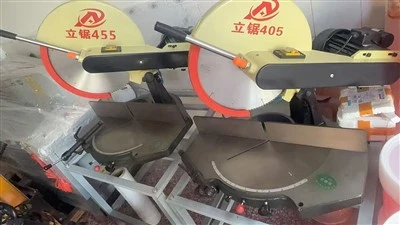
First, let’s get one thing straight: there’s no one-size-fits-all answer. The maximum drilling depth isn’t a random number printed on a spec sheet—it depends on three huge factors: the machine’s design, the type of drilling bit you’re using, and the aluminum profile itself. I’ve seen entry-level benchtop machines that max out at 50mm, heavy-duty gantry models that push 300mm, and even custom-built rigs for energy industry parts that go deeper. Let’s start with machine design, because that’s the foundation. Most aluminum profile drilling machines fall into two main categories: benchtop units for small to medium shops and floor-standing or gantry models for high-volume, large-part production.
Entry-level benchtop models, usually priced for small businesses or hobbyists, typically have a maximum drilling depth of 30mm to 80mm. These are perfect for light jobs—like drilling holes in 6063 aluminum for residential window frames, or shallow mounting holes for cabinet hardware. But here’s the catch: if you try to push a 50mm deep hole on a benchtop machine, the spindle’s travel distance is too short, and you’ll get a lousy hole—maybe it’s off-center, has burrs the size of marbles, or even snaps the drill bit mid-operation. I had a customer last year who bought a cheap benchtop machine to drill 70mm deep holes for solar rail end caps; he got a whole batch of bad parts because the machine’s travel maxed out at 60mm, and he forced it, wrecking both bits and profiles. That’s why spec sheets are there to guide you, not just look at as a number.
Now, floor-standing and gantry-style aluminum profile drilling machines—these are the workhorses for shops doing commercial fabrication, solar mounting, or automotive parts. Their maximum drilling depth usually ranges from 100mm to 300mm, and some custom specialty rigs can go even higher, up to 400mm, for ultra-large profiles like those used in truck chassis or stadium framing. The reason these machines go deeper is simple: they have longer spindle travel, sturdier frame construction to handle the extra pressure of drilling deep, and often, optional extended length drill bits to match. I helped a solar panel supplier last month upgrade from an old benchtop to a gantry model with 250mm max depth; before, they had to do two separate drilling passes for their rail mounting holes, doubling production time. With the new machine, they do it in one pass, no extra steps, and zero hole inaccuracies. That’s the kind of difference getting the right depth makes.
Next up, the drill bit—this is the second biggest factor that most people overlook. You can have a machine that advertises 300mm max depth, but if you use a standard twist drill bit that’s only 100mm long, you’re never hitting that number. For deep holes, you need specialized drill bits: core drills, step drills, or deep-hole drills (often called gun drills, though for aluminum, sometimes carbide-tipped deep-hole bits work better). These bits are longer, have better chip evacuation, and are designed to keep the bit aligned while drilling through thick material. I always tell customers: if your machine has a 200mm spindle travel, make sure you pair it with a drill bit that’s at least 20mm longer than your desired hole depth— that extra length prevents the bit from getting stuck in the profile mid-drill, which is a nightmare to fix. Last quarter, we had a customer who tried to drill a 180mm deep hole with a standard twist bit; it snapped, and the broken bit got wedged in a 12mm thick 6061 aluminum profile. It took him three hours to extract it, and he had to scrap the whole part. Lesson learned: match your bit length to your machine’s max travel, not just the hole depth you need.
Then there’s the aluminum profile itself. Not all aluminum is the same, and that affects drilling depth too. 6061 aluminum is one of the most common— it’s strong, easy to machine, and most machines drill deep holes in it without issues. 6063 is softer, so you can actually push a bit a little deeper without as much risk of snapping. But 7075 aluminum, which is used for aerospace and high-stress parts, is much harder. Drilling deep holes in 7075 requires slower spindle speeds, higher torque, and better chip removal, even if your machine has the travel. I had an aerospace customer a while back who needed 220mm deep holes in 7075 for a satellite component; their gantry machine had a 250mm max depth, but they had to adjust the speed and feed rate to keep the bit from wearing out too fast. If they’d used the same settings they use for 6061, they would have gone through three bits per part instead of one, and the holes would have had uneven walls. So profile material type, thickness, and even temper all play a role in how deep you can safely drill.
Wait, what about other features that affect this? Things like automatic tool changers (ATCs) or programmable depth stops? Absolutely. ATC-equipped machines let you switch between different length drill bits automatically, so if you’re drilling multiple depths on the same profile, you don’t have to stop and swap bits manually. That’s a game-changer for high-volume production—you can set the machine to drill a 50mm hole for a bracket, then a 150mm hole for a mounting plate, all without operator input. Programmable depth stops also help; they ensure that every hole is exactly the depth you need, no guesswork. I’ve seen machines without this feature drill a hole that’s 5mm too deep because the operator didn’t set the travel correctly, ruining a $50 aluminum profile. On the flip side, with a programmable depth stop, you can set it once, and it’s consistent every single time.
Now, let’s talk about common misconceptions. A lot of people think a higher max drilling depth is always better, but that’s not true. If you’re only drilling 30mm deep holes for window hardware, a benchtop machine with 60mm max depth works fine, and it’s way cheaper than a gantry model with 300mm max depth. Paying for extra depth you don’t need is just wasting money. But if you’re doing solar mounting rails, which often have 100mm to 200mm deep holes, you need that higher depth to keep production fast and accurate. Another misconception: more spindle power means deeper drilling. Power matters, but spindle travel is more important for max depth. A 2HP benchtop can have 80mm max depth, while a 5HP gantry can have 300mm max depth, because the gantry’s spindle can travel further. Power helps with drilling through hard aluminum, but travel is what sets the maximum depth limit.
Let me give you a real-world example to make this concrete. Last month, I worked with a custom fabrication shop that does commercial storefronts. They needed to drill 120mm deep holes in 6063 aluminum for the horizontal frame connectors. They had a mid-range gantry machine that advertised 150mm max drilling depth. When they first tested it, they tried drilling a 120mm hole with a standard twist bit, and the bit got stuck halfway through. Why? Because their drill bit was only 130mm long—so the shank of the bit, not just the cutting part, hit the spindle before the hole was complete. We swapped it for a 150mm long carbide-tipped drill bit, adjusted the spindle speed to 1000 RPM (perfect for soft 6063), and the machine drilled 120mm deep holes in one pass, no issues. They now run 500 parts a week with that setup, and the bits last 2,000 holes each. That’s the kind of practical advice you don’t get from a spec sheet.
So, what’s the short answer? For most small to medium businesses doing residential or light commercial aluminum fabrication, the maximum drilling depth you’ll need is between 50mm and 150mm, and a floor-standing machine in that range is perfect. For large-scale production like solar mounting or heavy truck parts, you’ll want a gantry model with 200mm to 300mm max depth. For custom specialty jobs, we can even modify machines to go deeper, though that’s a custom quote. But again, it’s not just the machine—you have to match the drill bit to the job, adjust your settings based on the aluminum type, and not overbuy depth you don’t need.

If you’re still not sure what maximum drilling depth is right for your business, don’t guess. I’ve helped dozens of shops sort through this, and we can do a custom assessment of your typical jobs—what aluminum profiles you use, what hole depths you need, how many parts you run a week—and recommend exactly the machine that fits, no extra fluff. Buying a machine is a big investment, so you don’t want to get stuck with one that’s too shallow for your upcoming jobs, or paying for depth you’ll never use. We’ve worked with shops of all sizes, from one-person operations to Fortune 500 suppliers, so we know how to match a machine to your specific needs.
Cutting Machine Whether you’re just starting out and need your first aluminum profile drilling machine, or you’re upgrading an old model to handle bigger, deeper jobs, we’re here to help. Don’t leave your production held back by a machine that can’t keep up with your requirements. Reach out to our team to discuss your project, and we’ll walk you through all the options, including drilling depth capabilities, to find the perfect fit for your business. We’ll answer all your questions, no sales pitch pressure, just honest advice from people who work with these machines every day.
References
- Aluminum Association. (2022). Machining Guidelines for Aluminum Alloys. Retrieved from industry machining handbooks for aluminum fabrication equipment standards
- Modern Machine Shop. (2021). Deep Hole Drilling for Non-Ferrous Metals. Retrieved from technical articles on material-specific drilling parameters
- Fabricator Magazine. (2023). Specifying Aluminum Profile Drilling Machines: Key Performance Metrics. Retrieved from industry equipment buying guides for metal fabrication machinery
Kanghong Building Materials Technology Sdn. Bhd.
As one of the most professional aluminum profile drilling machine manufacturers and suppliers in China, we have world-leading production equipment and strong manufacturing capabilities. Please feel free to wholesale advanced aluminum profile drilling machine for sale here from our factory. Customized orders are welcome.
Address: No.601, Block 2, Xinlianchang Industrial Park, No.2 Taixing Second Road, Taiping South Industrial Zone, Dali Town, Nanhai District, Foshan City
E-mail: 631871392@qq.com
WebSite: https://www.kanghong-building.com/
