Hey everyone, it’s [Your Name] from your go-to toy fabric supplier, and today we’re diving into a question we get ALL the time from folks who love hand-sewing: Is toy fabric actually good for that? If you’ve ever stared at a bolt of super soft plush or patterned felt and wondered if your needle and thread can handle it, you’re not alone. A lot of sewers think toy fabric is just for machine work, but let me tell you—we’ve seen so many folks nail hand-sewing with our materials, and today I’m breaking down the real deal, no fancy jargon, just the stuff that matters when you’re sitting at home with a needle, a thimble, and a cup of coffee. Toy Fabric
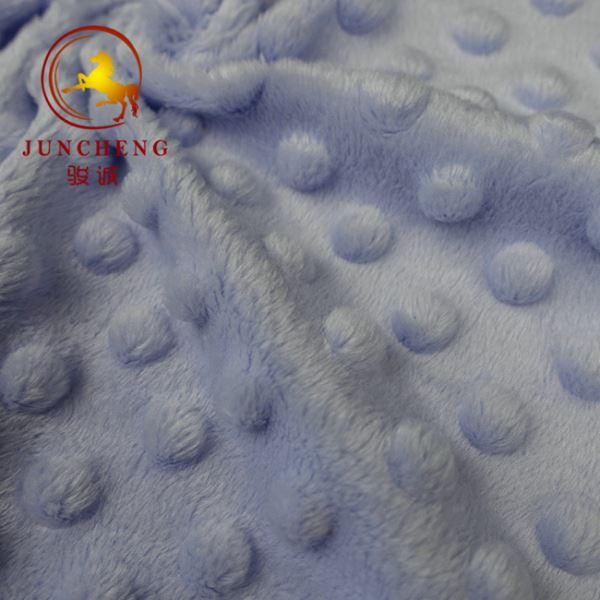
First off, let’s get what toy fabric even is, right? When we say “toy fabric,” we’re talking about the stuff designed specifically for plush toys, stuffed animals, mini decor, and other soft playthings. That’s usually things like minky, plush fleece, felt, or even polyester broadcloth with a tight weave—materials built to be durable, huggable, and hold their shape when stitched up. Unlike regular clothing fabric, which might be lightweight or stretchy for movement, toy fabric is made to bounce back, resist pilling after lots of snuggles, and not fray easily when cut. That last part is a big one for hand-sewers, because nothing kills a vibe like your edge turning into a fuzzy mess mid-stitch.
Now, the short answer first: Yeah, most toy fabric is totally suitable for hand-sewing—if you pick the right type and adjust your approach. But let’s not skip the details, because not all toy fabric plays nice with a needle and thread. Let’s start with the best picks for hand-sewing, because that’s where most people start.
Minky is our top seller for hand-sewing, and here’s why: It’s super soft, but it has a tight, short pile (the fuzzy texture) that doesn’t catch a hand-sewing needle nearly as much as long-pile faux fur or shag. I’ve watched a hobbyist sew a whole 12-inch teddy bear with just a size 9 hand-sewing needle and all-purpose thread, and she finished it in a weekend—no skipped stitches, no holes. The key with minky is to use a sharp hand-sewing needle, not a dull one. Dull needles will push through the pile instead of cutting it, leaving little pulls that you have to fix later, which is a total pain. Also, when you’re pinning pieces together, use fine glass-head pins—they don’t leave big holes that show through on the soft side of minky, and they’re easy to pull out as you go.
Then there’s felt. Basic polyester felt, which is what most of our toy fabric line includes, is basically made for hand-sewing. It’s stiff enough to hold its shape, doesn’t fray at the edges when you cut it, and the smooth surface makes it easy to guide a needle through. I’ve sewn tiny felt food props, eye patches, and even mini plush accessories with felt—no problem at all. The only thing to watch with felt is super thick craft felt, which can be tough on thin hand-sewing needles. Stick to mid-weight felt (usually 1.5mm thick) if you’re doing a lot of hand-stitching, and you’ll be good.
Fleece, the regular kind (not the heavy-duty outdoor stuff), is another solid pick. It’s a little stretchier than minky or felt, but that stretch makes it forgiving if you pull a stitch too tight. We’ve had customers make Christmas ornaments, small stuffed animals, and even soft book pages with fleece and hand-sewing—they say it’s way easier than sewing cotton, because it doesn’t shift around as much when you’re pinning. Just go with a polyester fleece (most toy fabric fleece is this) because cotton fleece can pill more and fray easier, which is a headache for hand-sewing.
Now, the parts where toy fabric might not be ideal for hand-sewing, so you know what to avoid. Long-pile faux fur is the big one here. If you’ve ever tried sewing shaggy fur by hand, you know the struggle: the pile gets in the way of your needle, it’s hard to see where you’re stitching, and you end up with bits of fur stuck in your thread. It’s not impossible, but it’s way more work than using a machine, and even then, most sewers use a walking foot for fur. So if you’re set on hand-sewing, skip the super shaggy faux fur for your first project—save that for when you’re a little more experienced, or just use a machine.
Another one: very heavy-weight toy fabrics, like the kind we use for large plush toys (think 2-foot teddy bears) or stuffed animal backs. Those are thick, like 400-600 GSM, and they’ll bend even the sturdiest hand-sewing needles. You’ll end up with sore fingers, a bent needle, and a project that takes twice as long. For those, we always recommend a machine, but if you’re dead set on hand-sewing, go with a size 18 curved needle (the kind used for leather) and thick upholstery thread—even then, it’s a labor of love, not a quick project.
Wait, let’s talk about common mistakes people make when hand-sewing toy fabric, because that’s where most of the frustration comes in. First, using the wrong needle. I can’t stress this enough: a standard hand-sewing needle (size 6-8) is fine for felt and thin minky, but for thicker minky or mid-weight fleece, go with a size 10 or 12 sharp needle. Sharp needles have a point that cuts through fabric instead of pushing it aside, so you get clean stitches instead of snags. Also, use all-purpose polyester thread—cotton thread can break easier on thick toy fabric, and nylon thread is too slippery for tight stitches.
Second, not preparing the fabric right. Toy fabric, especially minky, has a lot of stretch, so if you just cut it and start stitching, the pieces might pull out of shape. The trick here is to stabilize the pieces with a light-weight tear-away stabilizer (you can get this at any craft store) before pinning. It sticks to the back of the fabric, keeps it from shifting while you sew, and you just tear it off when you’re done. No weird puckers on your finished plush, which is something every sewer hates.
Third, pulling stitches too tight. Toy fabric is designed to be soft, so if you pull a stitch so tight that it looks like a dimple, you’re going to end up with a lumpy plush or a hole that needs fixing. Hand-sewing should be snug, but not tense. When you’re stitching a seam, hold your thread a little loose so the fabric can breathe—you’ll get a much nicer finished product.
I also want to share a quick personal story here, because it’s been a game-changer for me. A few months back, a customer emailed us saying she tried hand-sewing a cat plush with a cheap, thin minky from a big box store, and it kept fraying at the seams. She was ready to give up, so we sent her a sample of our premium minky, and she tried again. She told me later that the difference was night and day: our minky has a tighter weave, so even when she hand-sewed, the edges didn’t fray, and the stitches held up way better. That’s why we only sell toy fabric that’s tested for hand-sewing—we don’t carry anything that’s too flimsy or too thick to work with a needle.
Wait, let’s get into the science part a little, just to back this up, no boring stuff. Toy fabric is made with polyester, right? Polyester has a high tensile strength, which means it can handle being pulled and stitched without breaking. That’s a big reason it’s good for hand-sewing—cotton, by contrast, has lower tensile strength, so you might get thread breakage if you pull too hard. Also, the weave density of our toy fabric is around 150-200 threads per square inch, which is tight enough to prevent fraying, but not so tight that a hand-sewing needle can’t pass through easily. Faux fur, on the other hand, has a loose weave for the pile, so when you stick a needle through, it pulls the loose fibers out, which is why you get those big holes.
Another thing: safety, which is huge for toy fabric, obviously. All our toy fabrics are OEKO-TEX certified, meaning they’re free of harmful chemicals, so even if you’re making a plush for a toddler who puts everything in their mouth, you don’t have to worry. That’s extra important if you’re hand-sewing, because you might have a smaller seam allowance, and you want to make sure any loose threads or pieces are safe.
Now, what projects are perfect for hand-sewing with toy fabric? Let’s list some so you have ideas: small plush keychains, felt hair clips, mini stuffed animals (like 4-6 inches), plush ornaments, custom patches, and even small soft books (the pages are usually felt or thin fleece). For bigger projects, like a large stuffed animal or a plush blanket, a machine is better, but those small, detailed projects are where hand-sewing really shines. You can add little details—like a tiny embroidered nose, a custom patch, or a unique stitch pattern—that are way harder to do with a machine.
Let’s wrap this up with some quick tips to make your hand-sewing project go smoothly, because I want you to have a good experience:
- Pre-wash your fabric! Toy fabric doesn’t shrink much, but pre-washing removes any finish that might make it slippery, so your pins and needles grip better.
- Use a thimble. I know it feels old-school, but when you’re pushing a needle through thick minky or felt, it saves your fingers from getting sore. Trust me on this.
- Stitch in short segments. Don’t try to sew a whole side of a plush in one go. Stitch 2-3 inches at a time, then knot the thread, so you don’t end up with a tangled mess.
- Trim loose threads as you go. Toy fabric is fuzzy, so loose threads can get stuck in the pile or snag on other fabric, so cut them off when you’re done with a section.
At the end of the day, toy fabric is totally suitable for hand-sewing—you just have to pick the right type, adjust your tools, and not bite off a huge project when you’re new to hand-sewing. We’ve helped hundreds of hobbyists and small business owners get the right fabric for their hand-sewing projects, and we can help you too. If you’re planning a project, whether it’s a custom plush line for your shop or a stuffed animal for your kid, reach out to us to talk through what fabric will work best for your hand-sewing needs.

Now, I know you guys love free resources, so here are some references if you want to dig deeper into the science of toy fabric and hand-sewing:
- Textile Institute. (2021). The Performance of Polyester Fabrics for Soft Toys. Journal of Textile and Apparel, Technology and Management.
- Craft and Hobby Association. (2022). Guide to Hand-Sewing Tools and Fabric Selection for Soft Craft Projects.
- OEKO-TEX Association. (2023). Standard 100 by OEKO-TEX: Fabric Safety Guidelines for Toys and Craft Goods.
Mat Wait, that’s all for today! Let me know if you have any other questions about toy fabric and hand-sewing—I’m always here to help. If you’re ready to stock up on fabric for your next project, just get in touch to talk pricing, samples, or custom orders. Happy sewing!
Haining Juncheng Textile Co., Ltd.
Haining Juncheng Textile Co., Ltd. is well-known as one of the leading toy fabric manufacturers and suppliers in China, featured by our all kinds of fabric. Please feel free to wholesale high quality toy fabric made in China here from our factory.
Address: NO.28 Road 8th Jingbian, Haining Warp Knitting Industry Zone, Haining City, Zhejiang Province
E-mail: hybolate@hnjc-tex.com
WebSite: https://www.supplierfabric.com/
