Yo, what’s up everyone! I’m an Integrated Home ESS (Energy Storage System) supplier, and I’ve been getting a bunch of questions lately about how many cycles our systems can handle. So, I thought I’d sit down and write this blog to clear things up and share some insights with you. Integrated Home ESS
First off, let’s talk about what a "cycle" actually means in the context of an Integrated Home ESS. A cycle is basically one full charge and one full discharge of the battery in the ESS. For example, if you charge your ESS battery from 0% to 100% and then discharge it back down to 0%, that’s one cycle.
The number of cycles an ESS can handle is a super important factor because it directly affects the lifespan and cost – effectiveness of the system. The more cycles it can go through, the longer it’ll last, which means you won’t have to replace the battery as often. And let’s face it, replacing a big battery isn’t cheap!
Now, the maximum number of cycles an Integrated Home ESS can handle depends on a bunch of different things. One of the biggest factors is the type of battery technology used. There are several types of batteries out there, but the most common ones for home ESS are lithium – ion batteries.
Lithium – ion batteries are pretty awesome. They have a high energy density, which means they can store a lot of energy in a relatively small space. They also have a relatively long cycle life compared to other battery types. On average, a good quality lithium – ion battery in an Integrated Home ESS can handle anywhere from 2000 to 5000 cycles.
But hey, that’s just an average. Some high – end lithium – ion batteries can go even further, up to 8000 or even 10,000 cycles. These are usually the ones that use advanced chemistries and have better management systems to protect the battery from overcharging, over – discharging, and overheating.
Another factor that affects the cycle life is how you use the ESS. If you’re constantly charging and discharging the battery to its full capacity, it’s going to wear out faster than if you only use a small portion of its capacity. For example, if you always charge the battery from 0% to 100% and then discharge it all the way back to 0%, you’re putting a lot of stress on the battery. But if you only charge it from 20% to 80% and discharge it back to 20%, you’re going to get a lot more cycles out of it.
Temperature also plays a huge role. Batteries don’t like extreme temperatures. If it’s too hot or too cold, the chemical reactions inside the battery can be affected, which can reduce its cycle life. That’s why it’s important to install your ESS in a place where the temperature is relatively stable.
The quality of the battery management system (BMS) is another key factor. A good BMS can monitor the battery’s voltage, current, and temperature in real – time and make adjustments to ensure the battery is being used in the most efficient and safe way possible. It can also balance the cells in the battery pack, which helps to extend the overall cycle life.
At our company, we take all these factors into account when we design and manufacture our Integrated Home ESS. We use high – quality lithium – ion batteries with advanced chemistries. Our BMS is top – notch, and it’s designed to optimize the battery’s performance and cycle life.
We’ve done a lot of testing on our systems, and we’re confident that our ESS can handle a high number of cycles. In fact, based on our internal testing, our average system can handle around 4000 cycles under normal operating conditions. But remember, this number can vary depending on how you use the system and the environment it’s in.
If you’re thinking about getting an Integrated Home ESS for your home, it’s important to consider the cycle life. You want to make sure you’re getting a system that’s going to last. A system with a higher cycle life might cost a bit more upfront, but in the long run, it’ll save you money because you won’t have to replace the battery as often.
So, how do you know if an ESS is right for you? Well, think about your energy needs. If you have a lot of energy – hungry appliances in your home or if you live in an area with unreliable power, an ESS can be a great investment. It can store energy during off – peak hours when electricity is cheaper and then use that energy during peak hours when electricity is more expensive. It can also provide backup power in case of a power outage.
If you’re interested in learning more about our Integrated Home ESS or if you want to discuss your specific energy needs, don’t hesitate to reach out to us. We’re here to help you find the best solution for your home. Whether you’re a homeowner looking to save on your energy bills or someone who wants to have a reliable backup power source, we’ve got you covered.
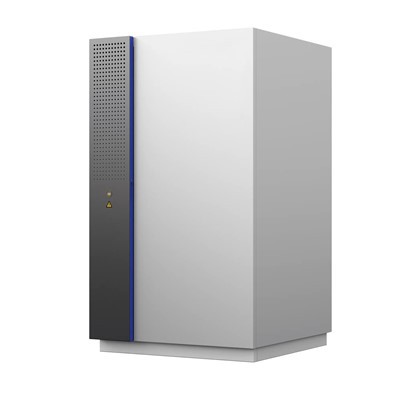
In conclusion, the maximum number of cycles an Integrated Home ESS can handle depends on many factors, including battery technology, usage patterns, temperature, and the quality of the BMS. At our company, we’re committed to providing high – quality systems that can handle a large number of cycles, giving you peace of mind and long – term savings. So, if you’re in the market for an Integrated Home ESS, give us a shout, and let’s start a conversation about how we can meet your needs.
TUV Solar Cable References
- Battery University: A great resource for understanding battery technology and cycle life.
- Industry reports on energy storage systems and their performance metrics.
Tianjin Xilingke New Energy Technology Co., Ltd.
Address: Suite 2601, Tower B, Wanghai International, Haihe East Road, Hebei District, Tianjin, China.
E-mail: robin@sinelinkev.com
WebSite: https://www.sinelinkenergy.com/
