Hey there! I’m a supplier of ceramic materials, and I’ve spent years diving deep into the world of materials science. One question that comes up a lot is how ceramic materials stack up against metal materials. So, let’s break it down and see what makes each of these materials unique. Ceramic Materials

First off, let’s talk about the basics. Metals are pretty well – known. You see them everywhere, from the cars we drive to the cutlery in our kitchens. Metals like steel, aluminum, and copper are super common. They’re usually made by melting down ore and then shaping the molten metal into whatever form they need to be.
On the other hand, ceramics are a bit more mysterious to some folks. Ceramics are made from inorganic, non – metallic materials. Clay is a classic example, but there are also advanced ceramics made from things like silicon carbide and aluminum oxide. The process of making ceramics often involves shaping the raw material and then firing it at high temperatures in a kiln.
Physical Properties
Let’s start with density. Metals generally have a higher density compared to ceramics. Take steel, for example. It’s heavy, which is great in some applications but can be a drawback in others. For instance, in the aerospace industry, every extra pound matters. That’s why they’re always looking for lighter materials. Ceramics, on the other hand, can be much lighter. This makes them a great choice for applications where weight is a concern, like in some high – performance sports equipment or aerospace parts.
When it comes to strength, it’s a bit more complicated. Metals are known for their ductility, which means they can be stretched and deformed without breaking easily. This makes them great for applications where you need materials to absorb energy and change shape. For example, in crash – worthy car frames, the metal can deform in a controlled way during a collision, absorbing the impact energy.
Ceramics, however, are extremely hard and have high compressive strength. They can withstand a lot of crushing force. Think about the tiles on the space shuttle. They need to be able to withstand the extreme heat and pressure during re – entry, and ceramics are up to the task. But the downside is that ceramics are often brittle. They don’t deform well under tension, and a small crack can quickly lead to catastrophic failure.
Thermal Properties
Metals are generally good conductors of heat. This is why metal pots and pans are so popular in the kitchen. The heat spreads quickly and evenly across the metal surface, allowing for efficient cooking. In industrial applications, metals are used in heat exchangers to transfer heat from one medium to another.
Ceramics, on the contrary, are often excellent insulators. They can resist high temperatures without melting or deforming. This makes them ideal for applications like furnace linings, where you need to keep the heat inside the furnace. Some advanced ceramics can even withstand temperatures of over 2000 degrees Celsius! This property also makes ceramics useful in the electronics industry, where they can be used to insulate components from heat.
Chemical Properties
Metals can be prone to corrosion. When exposed to air, water, or certain chemicals, they can react and form rust or other corrosion products. This can weaken the metal over time and eventually lead to failure. To prevent this, metals often need to be coated or treated with anti – corrosion agents.
Ceramics, on the other hand, are highly resistant to corrosion. They don’t react easily with most chemicals, which makes them a great choice for applications in harsh chemical environments. For example, in the chemical processing industry, ceramic pipes and valves can be used to transport corrosive chemicals without the risk of corrosion.
Electrical Properties
Metals are excellent conductors of electricity. This is why copper is used in electrical wiring. It allows for the easy flow of electrons, which is essential for the functioning of electrical circuits.
Ceramics can vary widely in their electrical properties. Some ceramics are insulators, and they’re used to separate electrical components and prevent short – circuits. But there are also some ceramics, known as superconductors, that can conduct electricity with zero resistance at very low temperatures. This property has the potential to revolutionize the electrical power industry by reducing energy losses during transmission.
Cost and Manufacturing
The cost of metals and ceramics can vary depending on many factors. Generally, common metals like steel and aluminum are relatively inexpensive, especially when produced in large quantities. The manufacturing processes for metals are also well – established and can be highly automated, which helps keep the costs down.
Ceramics can be more expensive, especially the advanced ones. The raw materials for some high – performance ceramics can be costly, and the manufacturing processes often require high – temperature firing and precise control. However, in some cases, the unique properties of ceramics can justify the higher cost. For example, in medical implants, the biocompatibility and durability of ceramics can make them a better choice than metals, even though they’re more expensive.
Applications
Metals are used in a wide range of applications. In construction, steel is used to build skyscrapers and bridges because of its strength and ductility. In the automotive industry, metals are used for engine parts, frames, and body panels. The food industry also uses metal equipment because of its ease of cleaning and durability.
Ceramics also have a diverse set of applications. In the medical field, ceramic implants like hip and knee replacements are becoming more popular because they’re biocompatible and can last a long time. In the electronics industry, ceramics are used for capacitors, insulators, and even in some high – end smartphones. The art and pottery industry, of course, has been using ceramics for centuries to create beautiful and functional objects.
Which One to Choose?
So, when it comes to choosing between ceramic and metal materials, it really depends on the specific application. If you need something that’s ductile, a good conductor of heat and electricity, and relatively inexpensive, metals might be the way to go. But if you need high – temperature resistance, corrosion resistance, and don’t mind the brittleness, ceramics could be your best bet.
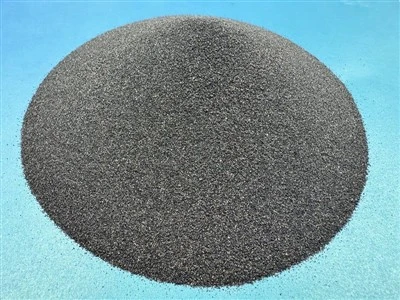
As a ceramic materials supplier, I’ve seen firsthand how these unique properties of ceramics can open up new possibilities for various industries. Whether it’s developing more efficient energy – saving devices or creating better – performing medical products, ceramics have a lot to offer.
Zirconia If you’re in the market for ceramic materials and want to explore how they can benefit your business, I’d love to chat. I can provide samples, answer all your questions, and work with you to find the perfect ceramic solution for your specific needs. Just reach out, and let’s start a conversation about how we can work together!
References
- "Materials Science and Engineering: An Introduction" by William D. Callister Jr. and David G. Rethwisch
- "Ceramics: Structure, Properties, Processing and Applications" edited by Ralph W. Cahn, Peter Haasen, and Edward J. Kramer
- Research papers from the Journal of the American Ceramic Society and other relevant materials science journals.
Hebei Cihong Technology Co., Ltd.
We’re well-known as one of the leading ceramic materials manufacturers and suppliers in China, featured by quality products and good price. Please rest assured to buy customized ceramic materials made in China here from our factory. If you have any enquiry about pricelist, please feel free to email us.
Address: Commercial Building, North Side of Jingha Road, Xiliuhetun Village, Yanjiao Development Zone, Sanhe City, Langfang City, Hebei Province, China
E-mail: lihongqigood@163.com
WebSite: https://www.cihongzr.com/
