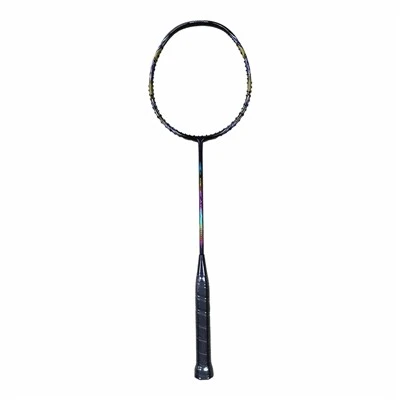
Carbon fiber, a remarkable material, has been a game – changer in the aerospace industry. As a supplier of carbon fiber products, I’ve witnessed firsthand how these products have transformed the way we design, build, and operate aircraft and spacecraft. In this blog, I’ll delve into the various uses of carbon fiber products in aerospace and explain why they have become so indispensable. Carbon Fiber Products
Structural Components
One of the most significant applications of carbon fiber products in aerospace is in the construction of structural components. Traditional materials like aluminum and steel have long been used in aircraft manufacturing, but carbon fiber composites offer several advantages.
Carbon fiber has an incredibly high strength – to – weight ratio. This means that for a given level of strength, carbon fiber components can be much lighter than their metal counterparts. In the aerospace industry, weight is a critical factor. Every pound saved translates into reduced fuel consumption, increased payload capacity, and longer range. For example, in modern commercial airliners, carbon fiber is used in the wings, fuselage, and tail sections. The Boeing 787 Dreamliner is a prime example, with about 50% of its primary structure made of carbon fiber composites. This has allowed the aircraft to be more fuel – efficient and offer a more comfortable flying experience for passengers.
In addition to its strength – to – weight ratio, carbon fiber also has excellent fatigue resistance. Aircraft structures are subjected to repeated stress cycles during flight, and materials need to be able to withstand these stresses without failing. Carbon fiber composites can handle these cyclic loads much better than metals, reducing the need for frequent inspections and maintenance. This not only saves time and money but also improves the overall safety of the aircraft.
Interior Components
Carbon fiber products are also widely used in the interior of aircraft. From seats to cabin panels, carbon fiber offers a combination of light weight, durability, and aesthetic appeal.
Aircraft seats made from carbon fiber are not only lighter but also more comfortable. The material can be molded into complex shapes, allowing for better ergonomic design. This is particularly important for long – haul flights, where passengers spend hours sitting in their seats. Lighter seats also contribute to the overall weight reduction of the aircraft, leading to fuel savings.
Cabin panels made of carbon fiber provide a sleek and modern look to the aircraft interior. They are also resistant to scratches and stains, making them easy to clean and maintain. Moreover, carbon fiber panels can be customized with different finishes and colors, allowing airlines to create a unique and branded cabin environment.
Engine Components
The aerospace engine is the heart of an aircraft, and carbon fiber products are playing an increasingly important role in its design and performance.
In the engine, carbon fiber is used in components such as fan blades and compressor casings. Fan blades made of carbon fiber are lighter and stronger than traditional metal blades. This reduces the rotational inertia of the fan, allowing the engine to start and stop more quickly. It also improves the engine’s fuel efficiency by reducing the amount of energy required to turn the fan.
Compressor casings made of carbon fiber composites can withstand high temperatures and pressures. They also have better acoustic properties, reducing the noise generated by the engine. This is not only beneficial for passengers but also helps to meet environmental noise regulations.
Spacecraft Applications
Carbon fiber products are not limited to aircraft; they are also essential in the construction of spacecraft.
In spacecraft, weight is even more critical than in aircraft. Every gram of weight saved can significantly reduce the cost of launching the spacecraft into orbit. Carbon fiber composites are used in the structure of satellites, space probes, and the International Space Station.
Satellites made with carbon fiber components are lighter and more durable. They can withstand the harsh environment of space, including extreme temperatures, radiation, and micrometeoroid impacts. The reduced weight of the satellite allows for more payload capacity, which can be used for scientific instruments, communication equipment, or other mission – critical components.
Space probes, such as those sent to explore other planets, also benefit from carbon fiber products. The lightweight nature of carbon fiber allows the probes to travel further and faster with less fuel. It also provides the necessary strength to protect the delicate instruments on board during the long – journey through space.
Unmanned Aerial Vehicles (UAVs)
Unmanned Aerial Vehicles, or drones, have become increasingly popular in recent years, and carbon fiber products are a key enabler of their success.
UAVs require a lightweight and strong structure to achieve long flight times and high performance. Carbon fiber composites are ideal for this purpose. They can be used to build the frame, wings, and other components of the drone. The high strength – to – weight ratio of carbon fiber allows UAVs to carry larger payloads, such as cameras, sensors, or delivery packages.
In addition, carbon fiber’s excellent stiffness and vibration – damping properties make UAVs more stable in flight. This is particularly important for applications such as aerial photography and surveying, where a steady platform is required to capture high – quality images and data.
Why Choose Our Carbon Fiber Products
As a carbon fiber products supplier, we take pride in offering high – quality products that meet the strict requirements of the aerospace industry. Our carbon fiber composites are manufactured using the latest technologies and processes, ensuring consistent quality and performance.
We have a team of experienced engineers and technicians who can work closely with our customers to develop customized solutions. Whether it’s a specific structural component for an aircraft or a unique interior design for a spacecraft, we have the expertise to deliver.
Our products are also subject to rigorous testing and quality control measures. We ensure that every product meets or exceeds the industry standards for strength, durability, and safety. This gives our customers the confidence that they are getting the best carbon fiber products for their aerospace applications.
Contact Us for Procurement
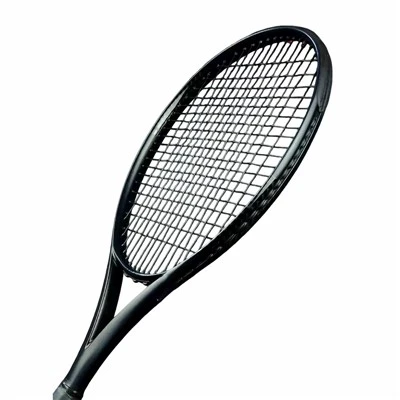
If you are in the aerospace industry and are looking for high – quality carbon fiber products, we would love to hear from you. Our team is ready to discuss your specific requirements and provide you with a tailored solution. Whether you need a small batch of components for a prototype or a large – scale production run, we can accommodate your needs.
Badminton Racket Reach out to us to start a conversation about how our carbon fiber products can enhance the performance and efficiency of your aerospace projects. We look forward to working with you to achieve your goals in the exciting world of aerospace.
References
- Ashby, M. F., & Jones, D. R. H. (2012). Engineering Materials 1: An Introduction to Properties, Applications and Design. Butterworth – Heinemann.
- Gibson, R. F. (2012). Principles of Composite Material Mechanics. CRC Press.
- Harris, B. (Ed.). (2013). Engineering Composite Materials. Woodhead Publishing.
Ji’an Zhongda Composite Materials Co., Ltd.
As one of the most experienced carbon fiber products manufacturers and suppliers in China, we also support customized service. We warmly welcome you to wholesale premium carbon fiber products for sale here from our factory. If you have any enquiry about quotation, please feel free to email us.
Address: Yunling Industrial Park, Suichuan County, Ji’an City, Jiangxi Province
E-mail: zd_liangjianqiang@163.com
WebSite: https://www.zdracket.com/
