Hey there! As a supplier of feed pellet machines, I’ve seen firsthand how important it is to ensure the safety of the feed pellets produced. In this blog, I’m gonna share some tips on how to make sure those feed pellets are safe for your animals. Feed Pellet Machine

1. Quality of Raw Materials
The first step in ensuring the safety of feed pellets is to start with high – quality raw materials. You know, the saying "garbage in, garbage out" really applies here. When you’re sourcing ingredients for your feed, make sure they’re fresh and free from contaminants.
For grains like corn, wheat, and barley, check for signs of mold or insect infestation. Mold can produce mycotoxins, which are extremely harmful to animals. These toxins can cause a range of health problems, from reduced growth rates to organ damage. So, always buy from reliable suppliers who can provide quality certificates for their products.
Protein sources such as soybean meal or fish meal also need to be of good quality. They should be properly processed to remove any anti – nutritional factors. For example, raw soybeans contain trypsin inhibitors, which can interfere with the digestion of proteins in animals. Make sure the soybean meal you use has been heat – treated to deactivate these inhibitors.
2. Hygiene in the Production Process
The production process of feed pellets is another crucial area where safety can be ensured. First off, keep your feed pellet machine clean. Regularly clean all the parts of the machine, including the hopper, feeder, conditioner, and die. Residue from previous batches can build up and become a breeding ground for bacteria and fungi.
Use appropriate cleaning agents that are safe for use in food – grade equipment. After cleaning, make sure to dry the machine thoroughly to prevent rust and the growth of microorganisms.
The production environment also matters. The area where the feed pellet machine is located should be clean and well – ventilated. Keep the floor free of debris and dust, and make sure there are no pests like rodents or insects in the vicinity. Pests can carry diseases and contaminate the feed.
3. Proper Processing Parameters
Setting the right processing parameters on your feed pellet machine is essential for producing safe feed pellets. The temperature and moisture content during the pelleting process are two key factors.
The conditioning temperature should be high enough to kill any harmful bacteria or pathogens in the feed. Generally, a conditioning temperature of around 80 – 90°C (176 – 194°F) is recommended. However, you don’t want to over – heat the feed, as this can damage the nutrients in it.
Moisture content is also important. If the moisture content is too high, the pellets are more likely to spoil. On the other hand, if it’s too low, the pellets may be too hard and difficult for animals to digest. Aim for a moisture content of around 12 – 15% in the final pellets.
The pressure applied during pelleting also affects the quality and safety of the pellets. A proper pressure ensures that the pellets are well – formed and have a good density. If the pressure is too low, the pellets may crumble easily, and if it’s too high, it can cause excessive heat generation, which may damage the nutrients.
4. Quality Control and Testing
Regular quality control and testing are a must. You can’t just assume that the feed pellets are safe; you need to verify it.
Do regular visual inspections of the pellets. Check for any signs of discoloration, abnormal shape, or foreign objects. If you notice anything off, it’s a red flag that something may be wrong with the production process.
In addition to visual inspections, you can also conduct laboratory tests. These tests can check for the presence of contaminants such as heavy metals, pesticides, and mycotoxins. You can also test for the nutrient content of the feed to make sure it meets the requirements of the animals.
Keep records of all the quality control tests. This will not only help you ensure the safety of the feed but also provide you with valuable data for improving your production process.
5. Storage and Transportation
Once the feed pellets are produced, proper storage and transportation are crucial for maintaining their safety.
Store the feed pellets in a dry, cool, and well – ventilated place. Use clean storage containers or silos to prevent contamination. Make sure to label the containers with the date of production and the type of feed.
When transporting the feed pellets, use clean and sealed vehicles. Avoid exposing the feed to extreme temperatures or humidity during transportation. If the feed gets wet or over – heated, it can quickly spoil and become unsafe for animals.
6. Staff Training
Last but not least, make sure your staff is well – trained in feed safety. They should know the importance of using high – quality raw materials, maintaining hygiene in the production process, and following the correct processing parameters.
Provide regular training sessions on feed safety and quality control. Encourage your staff to ask questions and share their experiences. A well – informed and trained staff is your best defense against producing unsafe feed pellets.
In conclusion, ensuring the safety of feed pellets made by a feed pellet machine is a multi – step process. It starts with the quality of raw materials, continues through the production process, and extends to storage and transportation. By following these tips, you can produce feed pellets that are safe and healthy for your animals.
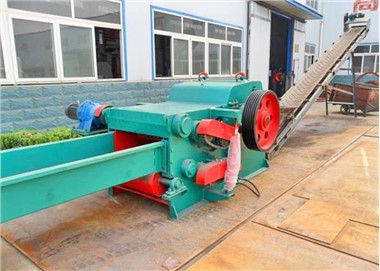
If you’re interested in purchasing a feed pellet machine or have any questions about feed pellet safety, feel free to reach out to us. We’re here to help you make the best choice for your animal feed production needs.
Wood Pellet Mill References:
- Feed Manufacturing Technology Handbook
- Principles of Animal Nutrition and Feed Science
Zhengzhou Fanda Machinery Co., Ltd.
Zhengzhou Fanda Machinery Co., Ltd. is one of the most professional feed pellet machine manufacturers and suppliers in China. Feel free to buy cheap feed pellet machine for sale from our factory and check the price with us.
Address: Zhisi Road, Zhongyuan District, Zhengzhou, Henan, China.
E-mail: vincenthan@fandamachinery.com
WebSite: https://www.fandapelletmill.com/
