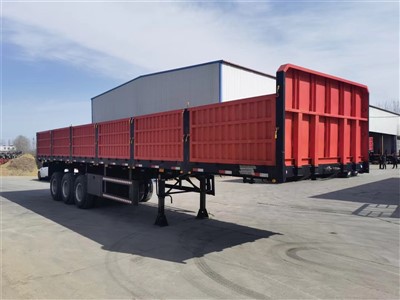
Adjusting the suspension of a van type semi-trailer is a crucial task that can significantly impact the trailer’s performance, safety, and longevity. As a supplier of van type semi-trailers, I understand the importance of proper suspension adjustment. In this blog, I’ll share some in-depth knowledge and practical tips on how to adjust the suspension of a van type semi-trailer. Van Type Semi Trailer

Understanding the Suspension System of Van Type Semi – Trailers
Before diving into the adjustment process, it’s essential to understand the basic components of the suspension system in a van type semi – trailer. The suspension system typically consists of springs, shock absorbers, axles, and linkages.
Springs play a vital role in supporting the weight of the trailer and its cargo. They come in different types, such as leaf springs and air springs. Leaf springs are made up of multiple layers of metal strips stacked on top of each other. They are known for their durability and ability to handle heavy loads. Air springs, on the other hand, use compressed air to provide support. They offer a smoother ride and can be adjusted to different load levels.
Shock absorbers are responsible for dampening the vibrations and oscillations caused by uneven road surfaces. They help to keep the trailer stable and prevent excessive bouncing. Axles are the shafts that connect the wheels to the trailer frame, and linkages are the components that connect the various parts of the suspension system together.
Pre – adjustment Checks
Before making any adjustments to the suspension, it’s important to conduct a thorough pre – adjustment check. This includes:
- Inspecting the suspension components: Check for any signs of damage, such as cracks, leaks, or excessive wear on the springs, shock absorbers, axles, and linkages. If any components are damaged, they should be replaced before proceeding with the adjustment.
- Measuring the ride height: Use a tape measure or a height gauge to measure the distance between the ground and a specific point on the trailer frame. This measurement will serve as a baseline for the adjustment process.
- Checking the tire pressure: Ensure that all the tires on the trailer are properly inflated to the recommended pressure. Incorrect tire pressure can affect the suspension’s performance and lead to uneven wear on the tires.
Adjusting the Suspension
Leaf Spring Suspension
- Load distribution: First, make sure that the cargo is evenly distributed on the trailer. Uneven load distribution can cause the trailer to lean to one side, putting extra stress on the suspension.
- Adjusting the spring tension: Leaf springs can be adjusted by adding or removing shims between the spring leaves. If the trailer is sagging, adding shims will increase the spring tension and raise the ride height. Conversely, removing shims will decrease the spring tension and lower the ride height.
- Checking the alignment: The axles should be properly aligned to ensure that the trailer tracks straight. Misaligned axles can cause uneven tire wear and affect the handling of the trailer. You can use a string or a laser alignment tool to check the axle alignment.
Air Spring Suspension
- Setting the air pressure: Air springs can be adjusted by changing the air pressure inside them. Use an air compressor to add or release air from the springs. The recommended air pressure will depend on the load capacity of the trailer and the type of cargo being carried.
- Leveling the trailer: Use a leveling device to ensure that the trailer is level from side to side and front to back. Adjust the air pressure in the individual air springs as needed to achieve a level ride.
- Checking the air lines and valves: Inspect the air lines and valves for any leaks or damage. Leaking air can cause the suspension to lose pressure and affect the trailer’s performance.
Fine – tuning the Suspension
After making the initial adjustments, it’s important to fine – tune the suspension to achieve the optimal ride quality. This can be done by:
- Testing the trailer on the road: Take the trailer for a test drive on a variety of road surfaces, including smooth highways, bumpy country roads, and sharp turns. Pay attention to how the trailer performs and note any issues, such as excessive bouncing, swaying, or pulling to one side.
- Making minor adjustments: Based on the test drive results, make minor adjustments to the suspension components. For example, if the trailer is still bouncing too much, you may need to increase the shock absorber stiffness or adjust the spring tension.
- Monitoring the performance: Continuously monitor the trailer’s performance over time. If you notice any changes in the ride quality or handling, make further adjustments as needed.
Importance of Proper Suspension Adjustment
Proper suspension adjustment offers several benefits, including:
- Improved safety: A well – adjusted suspension helps to keep the trailer stable and reduces the risk of accidents. It provides better control over the trailer, especially when driving on uneven roads or in adverse weather conditions.
- Enhanced ride comfort: A properly adjusted suspension absorbs the shocks and vibrations from the road, providing a smoother and more comfortable ride for the driver and passengers.
- Extended component life: By reducing the stress on the suspension components, proper adjustment can help to extend their lifespan. This can save you money on maintenance and replacement costs in the long run.
- Better tire wear: A balanced suspension ensures that the tires wear evenly, which can improve fuel efficiency and reduce the need for premature tire replacement.
Conclusion
Special Trailer Adjusting the suspension of a van type semi – trailer is a complex but essential task. By understanding the suspension system, conducting pre – adjustment checks, and following the proper adjustment procedures, you can ensure that your trailer performs at its best. As a van type semi – trailer supplier, we are committed to providing high – quality trailers and offering expert advice on suspension adjustment. If you have any questions or need assistance with adjusting the suspension of your van type semi – trailer, please don’t hesitate to contact us. We look forward to discussing your needs and helping you find the best solutions for your transportation requirements.
References
- "Trailer Suspension Handbook" – A comprehensive guide to trailer suspension systems.
- "Automotive Suspension Design and Analysis" – A technical book on suspension design principles.
- Manufacturer’s manuals for van type semi – trailers, which provide specific information on suspension adjustment.
Shandong Tengyun Special Vehicle Manufacturing Co., Ltd.
Shandong Tengyun Special Vehicle Manufacturing Co., Ltd. is well-known as one of the leading van type semi trailer manufacturers and suppliers in China. Please feel free to buy high quality van type semi trailer made in China here from our factory. For price consultation, contact us.
Address: Middle Section of Dongfeng Road, Liangshan Street Office, Liangshan County, Jining City, Shandong Province
E-mail: 15634517777@163.com
WebSite: https://www.tengyuntruck.com/
