If you’ve ever stood at a mining site, watching heavy machinery rumble past and crews nod at a sketch on a clipboard, you might not stop to think about the tiny, high-tech tools making it all run smoother. But as someone who’s supplied parallel line laser modules to mines across North America for the past 7 years, I can tell you these little devices are not just fancy add-ons—they’re the backbone of safer, faster, and cheaper mining operations. Let me break down exactly what these modules do, and why mine managers are ditching old-school tape measures and chalk lines for laser projections. Parallel Line Laser Modules
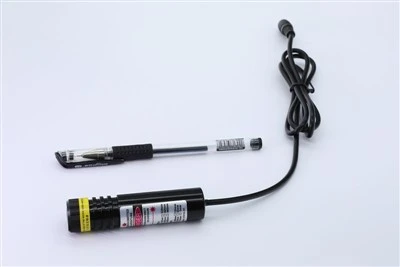
First, let’s cut the jargon: a parallel line laser module is a compact, battery-powered tool that spits out two or more straight, parallel laser lines across a surface, no physical markers needed. Unlike a regular laser pointer that just hits a single dot, these lines are calibrated to stay perfectly aligned, even in dusty, dim mining environments where visibility is trash. Now, translate that to mining, and you’ve got three core functions that change the game: keeping excavation walls straight, aligning conveyor belts without downtime, and reducing costly accidents from off-site planning.
Let’s start with excavation. Back in the day, when crews were digging a new tunnel or open-pit section, they’d have to mark a center line with spray paint, then run tape measures every 10 feet to make sure walls stayed parallel to that line. Problem was, dust would smear the paint, tape measures would stretch or bend in extreme heat, and by the time they finished marking, the line was off by a few inches—enough that later blasting would send rock flying where it shouldn’t, or force workers to dig extra material just to fix the shape. A parallel line laser module fixes that. Mount it to the back of a excavator’s arm, and it projects two parallel lines that match the exact width and height of the tunnel you need. The operator doesn’t have to guess where to dig; they just watch the bucket stay between the two lines, cutting out the need for constant re-measuring. Last year, a gold mine in Nevada told me they cut excavation time for their main tunnel by 22% after switching to our modules, because operators no longer wasted time stopping to adjust measurements. And with less rework, they saved an extra $47k a month in labor costs. That’s not nothing for a site that runs 24/7.
Next up: conveyor belt alignment. Conveyors are the workhorses of mining—they move everything from crushed coal to raw ore from the pit to processing plants, and a misaligned belt isn’t just annoying; it’s a disaster. A belt that’s even slightly off can wear through rollers in weeks, spill tons of material on the ground (which is not only a waste but a safety hazard for workers stepping around piles), or even derail, shutting down the entire site for hours. Before parallel line lasers, crews would use a straight edge or a plumb line to check alignment, but those take time and are easy to mess up in a dim, loud conveyor bay. Here’s where our parallel line modules shine: mount one above the conveyor, project two parallel lines that match the belt’s edge. If the belt drifts left or right, one line no longer lines up with the edge—you can spot that in seconds, no tape needed. A copper mine in Arizona reached out to me last quarter; they were spending $12k a month on replacement rollers and cleanup for spilled material. After installing 16 of our modules along their main conveyor line, roller costs dropped by 80%, and downtime from belt issues went from 12 hours a week to less than 2. That kind of reliability is what keeps mine managers happy.
Wait, but there’s another function that’s less talked about, but just as critical: site surveying and worker safety. Mining sites are huge, and surveyors used to have to hike miles with tools to map out new sections, which not only takes forever but puts them at risk of stepping into unmarked pits or uneven ground. Parallel line laser modules cut that risk. Surveyors can mount a portable module on a tripod, project parallel lines across a wide area (we’ve got modules that cover up to 500 feet, even in dusty air), and map out excavation boundaries without walking every inch. That means fewer surveyors in dangerous areas, and more accurate plans that don’t get messed up by wind or dust. Last year, a coal mine in West Virginia reported a 35% drop in minor site accidents related to misaligned work zones, after using our modules to mark safe paths and excavation limits. The truth is, mining’s biggest cost isn’t equipment—it’s downtime and safety incidents. These lasers directly attack both.
Now, I know what some of you are thinking: “Can’t I just use a regular laser level? It does parallel lines, right?” No, not really. Regular laser levels are designed for indoor construction, where there’s little dust and the area is small. Mining sites are harsh: extreme temps (from -20°F in northern Canada to 110°F in Arizona), constant dust that scatters laser light, and vibrations from heavy machinery that can knock a tool out of alignment. Our parallel line modules are built for that. We seal them against dust and moisture, calibrate them to hold their alignment even when jostled by excavators, and add a filter that cuts through dust so the lines stay visible. A lot of mine managers have tried cheap, off-brand lasers and ended up with lines that shift after a week, wasting more time than it saves. That’s why we focus on durability as much as accuracy.
Let me also be real with you: these modules aren’t just for big mines. We’ve sold them to small-scale operations too, and even some artisanal miners looking to dig tunnels without caving in. If you’re running a site with a team of 10 or 100, the savings add up fast. One of our first customers, a small gold mine in British Columbia, was paying $800 a month in surveyor fees and rework costs. They bought two modules for $1,200, and within two months, those fees were gone. That’s a return on investment you’ll see faster than any other tool in your arsenal.
I don’t want to sugarcoat it: switching to new tools always takes some getting used to. At first, operators might stare at the laser lines like they’re something out of a sci-fi movie. But after a week or two, they’re asking for more modules. The biggest pushback I hear is “we’ve always done it this way,” but once a manager sees their excavation time drop by 20% and their accident rates go down, they’re sold. That’s why we offer free on-site demos—we’ll send a rep to your mine, set up a module, and show your team exactly how it works, no strings attached.
At the end of the day, mining is all about working smarter, not harder. Parallel line laser modules aren’t just a luxury—they’re a necessity for any site that wants to stay competitive, keep their workers safe, and cut unnecessary costs. If you’re tired of rework, conveyor downtime, and safety risks from old-school marking tools, reach out to me to talk through what your site needs. We can customize modules for your specific excavation sizes, conveyor lengths, and environment, so you get exactly what works for you. Don’t keep wasting time and money on tools that were built for a different era—let’s make your mine run smoother.
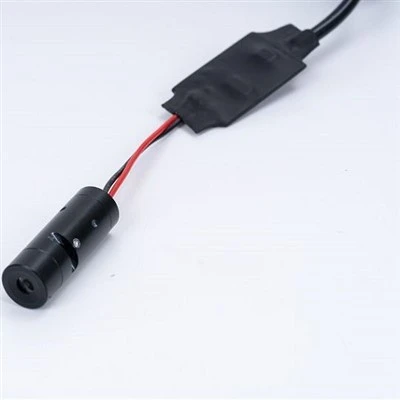
If you’re interested in learning more about how parallel line laser modules can improve your mining operations, feel free to get in touch to discuss your specific needs and arrange a demo.
Line Laser Modules References
- Mining Safety and Health Administration (MSHA). (2022). "Best Practices for Excavation Alignment and Safety in Surface Mining."
- International Society of Mine Safety Professionals (ISMSP). (2023). "Cost Reduction Strategies for Conveyor Belt Maintenance in Underground Mining."
- Journal of Mining Engineering. (2021). "Technological Advancements in Surveying Tools for Remote Mining Sites."
Changshu Desheng Optics Electronics Co., Ltd.
As one of the most professional parallel line laser modules manufacturers and suppliers in China, our products have good reputation in the market. Please feel free to buy advanced parallel line laser modules for sale here from our factory. Good service and quality products are available.
Address: 8A, Yineng science and technology industrial park, No.183, Yinhe Road, Southeast Development Zone, Changshu, Jiangsu Province, China.
E-mail: desheng1@dershinelaser.com
WebSite: https://www.ds-lasers.com/
