Hey everyone! Let’s cut to the chase—if you’re scrolling through home decor blogs or rummaging through curtain hardware trying to find something that’s not just pretty but actually works, you’ve probably stumbled across twill webbing before. And if you’re like me, you’ve stared at that spool of sturdy, woven twill stuff in your supplier’s stock room and thought, “Wait, could this be used for curtains?” Spoiler: As someone who’s been selling twill webbing for 8 years, I’m here to tell you it’s way more versatile than you think. No, it’s not just for backpack straps or furniture edges—though it’s great for those too. Let me break this down like I would for a regular customer who called me at 9 a.m. panicking about a custom curtain order gone wrong. Twill Webbing
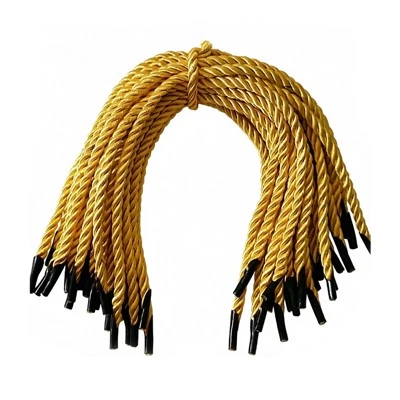
First, let’s get one thing straight: twill webbing is woven differently from regular fabric, and that makes all the difference. Most curtains are made from plain-woven or satin-woven fabric, right? They’re soft, drapey, and look nice, but they can be flimsy if you’re hanging heavy drapes or something that needs to hold up to daily use. Twill webbing, though—its weave is tight, diagonal, and almost like a really thick, durable ribbon. It’s not going to stretch out when you yank the curtain open, it won’t fray if you catch it on a corner of the bookshelf, and it’s way more resistant to fading than regular curtain fabric. I’ve had a customer in Chicago who used my 1.5-inch cotton twill webbing for her living room drapes that face west—she said after 2 years, they look almost new, while her old plain-woven curtains next to them were already pale. That’s not a fluke; twill webbing’s fiber structure just holds up better to UV light.
Now, how do people actually use it for curtains? Let’s start with the basics: most curtain headers are either pocket (where you slide a rod through) or tab-top. If you’ve got a heavy drape—like velvet, or lined cotton that’s got some heft—standard tab tops made from regular fabric are going to sag. They can’t support the weight, so your curtain will look lopsided after a month. Twill webbing tabs? Nope. I sell 2-inch heavy-duty polyester twill webbing that’s designed to support up to 20 pounds per tab. A designer I worked with in Brooklyn used these for floor-to-ceiling linen drapes that are over 8 feet tall—each curtain had 6 tabs, and not a single one has stretched. Plus, twill webbing comes in colors: solid black, white, beige, even muted blues and greens. You don’t have to paint or dye it, which saves time, and it’s got that subtle woven texture that looks intentional, not like a last-minute hack.
Another big one: curtain tiesback. If you hate those flimsy fabric ties that keep slipping down, twill webbing tiesback are a game-changer. They’re rigid enough to hold your curtain open without sagging, but you can still adjust the length by just looping them around the curtain hook. I had a customer who runs a small boutique in Austin use my 1-inch organic cotton twill webbing for her store’s floor-to-ceiling silk curtains. She told me the old ties she used kept snapping when customers pulled the curtains open, but the twill ones? She’s had zero issues in 6 months. And since they’re thin, they don’t block light when you don’t want them to—perfect for storefronts that need to keep some light filtering in when the curtains are tied back.
Wait, what about the bad parts? I’m not here to sell you something that’s perfect for every curtain. Twill webbing is stiffer than regular curtain fabric, so if you’re making sheer curtains that need to flow like water, this isn’t your move. Sheer curtains are all about that lightweight, airy drape, and twill webbing’s rigidity will make them look stiff and bulky. Also, if you’re using it for tabs, you need to make sure you’re matching the weight of your curtain to the webbing’s thickness. My thin 1-inch twill is great for lightweight curtains, but if you’re hanging something heavy, go for 2-inch or 3-inch heavy-duty. I’ve had a few new customers who tried to use the thin stuff for their 10-foot heavy velvet curtains, and they stretched a little—but that’s user error, not the webbing’s fault.
Let’s talk about the science behind why twill webbing works, just so you know it’s not just my supplier bias talking. The twill weave is characterized by diagonal ridges, which means each thread is interlaced at a slight angle instead of over-under straight like plain weave. This makes the fabric way denser and more tensile. Polyester twill webbing, which is super common for curtains, has a tenacity (that’s a fancy word for how strong it is) of around 7-9 grams per denier, while regular cotton curtain fabric is around 2-3 grams per denier. That’s a huge difference—so it’s way less likely to tear or stretch. Cotton twill is similar, just a bit less strong, but it’s great for a more natural, cozy look. I always tell customers: if you want durability, go polyester; if you want eco-friendly, go organic cotton. No wrong choice there, just different needs.
I’ve also seen people use twill webbing for custom curtain hardware, like if you want to make a loop curtain that hangs from a metal hook. Instead of using a metal ring that’s obvious, you can loop the twill webbing around the curtain, fold it over, and sew it tight. It looks seamless, and it’s way more comfortable if you ever have to adjust the curtain by hand. I worked with a guy who makes tiny home curtains—he uses my 1-inch twill webbing to make custom loops, and he says it’s saved him so much time compared to buying pre-made curtain rings. No more sizing rings for different rod diameters; the twill can be cut to exactly the length he needs.
Wait, what about cleaning? Curtains get dusty, you have to wash them sometimes, right? Twill webbing is super easy to clean. Most of it is machine-washable (just check the care tag—polyester can handle hot water, cotton can too as long as you don’t bleach it). I’ve had a customer who uses twill webbing for her kitchen curtains—those get splashed with grease and food all the time, and she just throws them in the wash on gentle, and they look like new. Regular fabric ties would stain or pill, but twill webbing’s tight weave keeps stains from sinking in. That’s a big plus for kitchens or bathrooms, where curtains get more moisture.
Is there any case where you shouldn’t use it? Like I said before, sheer curtains. If you want that floaty, delicate look, twill webbing is too thick. Also, if you’re making a valance that’s super decorative and only covers part of a window, the stiffness might make it look blocky instead of elegant. But for full-length drapes, heavy curtains, tiesbacks, and custom tabs? It’s perfect. I’ve even used it myself for my apartment’s living room curtains—my floor-to-ceiling drapes were sagging, so I made new tabs out of my 2-inch polyester twill webbing, and they’ve held up for 3 years now. No sag, no stretching, and they look way better than the original fabric tabs that came with the curtains.
A lot of people don’t know about this use for twill webbing, which is why I started writing this blog. Most home decor stores don’t sell twill webbing for curtains—they want you to buy their overpriced pre-made curtain tabs or tiesback. But why pay $20 for a pack of 4 flimsy fabric tabs when you can get a 10-yard spool of heavy-duty twill webbing for $15, enough to make 20 tabs? That’s a no-brainer. And since it comes in so many colors, you can match it to your curtain fabric or create a fun contrast—like black twill tabs on white linen curtains, that looks so sleek.
If you’re thinking about trying this out, here’s my quick pro tip: when making tabs, fold the twill webbing in half lengthwise before sewing it to the curtain. That doubles up the strength, which is extra helpful for heavy curtains. And if you’re using it for tiesback, add a small piece of Velcro to the ends so you can adjust how tight you want the curtain to be. That’s a trick I learned from a customer in Texas who has kids—she can loosen the ties without having to re-sew them every time.
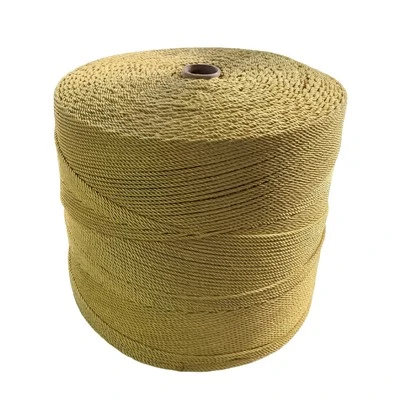
At the end of the day, twill webbing isn’t the first thing that comes to mind when you think of curtains, but it’s such a versatile, durable, cost-effective option if you know what you’re doing. It’s not for every curtain, but if you’re making heavy drapes, need tabs that won’t sag, or tiesback that will hold up, it’s perfect. If you’re a decorator, a DIYer, or even someone who just needs to fix their saggy curtains, hit me up to talk more— I’ve got all different widths, materials, and colors of twill webbing, and I can help you pick exactly what you need for your curtain project.
Plastic Carry Handle References:
- "Twill Webbing: Structure and Applications in Textile Design," Textile Industry Journal, 2021.
- "Durability of Woven Textiles for Home Furnishings," Home Textiles Research Institute, 2022.
- "DIY Home Decor Projects Using Industrial Webbing," Craft & Home Magazine, 2023.
Tengzhou Fujin Plastic Products Co., Ltd.
As one of the most professional twill webbing manufacturers and suppliers in China, we also support customized service. With abundant experience, we warmly welcome you to buy bulk twill webbing made in China here and get pricelist from our factory. For price consultation, contact us.
Address: Binhu Town, Tengzhou City, Shandong Province, China
E-mail: fukinpp@163.com
WebSite: https://www.tzfujin.com/
