If you own a gantry machining center, you know how critical it is to keep your equipment running at peak performance. Over the 15 years I’ve worked as a technical lead at a gantry machining center supplier, I’ve seen too many shops delay software upgrades and end up dealing with slow cycle times, frequent errors, or even unexpected downtime. Software upgrades aren’t just about adding new features—they’re about extending the lifespan of your machine, improving part accuracy, and keeping your production competitive. Today, I’ll walk you through the step-by-step process of upgrading your gantry’s software the right way, based on what our team has tested and supported for hundreds of customers. Gantry Machining Center
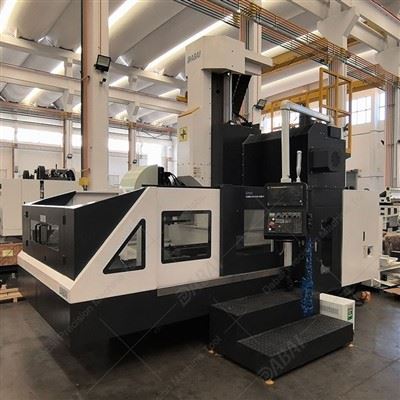
First, let’s talk about why this isn’t a job you want to rush. Gantry machining centers rely on software to coordinate heavy linear axes, high-speed spindle movements, and complex tool paths. Outdated software can cause things like misaligned cuts (which ruin expensive workpieces) or unnecessary wear on axes from inefficient motion commands. When we help customers upgrade, we always start with a pre-upgrade assessment to make sure the transition goes smoothly. That assessment has three key parts: checking your current system’s specs, backing up existing data, and verifying compatibility with your machine model.
Your current system’s specs matter more than you might think. Most modern gantry machining centers use either proprietary software we design in-house or industry-standard platforms like Siemens Sinumerik or Fanuc 31i-B. Before starting, note your current software version, the amount of storage on the machine’s control panel, and any add-ons you use—like 5-axis machining modules or automatic tool changers. For example, a customer last year tried to upgrade without checking storage and found their 10-year-old control panel only had 8GB free, not enough for the new software’s 12GB installer. That small oversight cost them a half-day of downtime while they cleared old files. Always confirm the upgrade package’s minimum hardware requirements; we include this in every upgrade guide we send to our customers, so don’t skip reading that.
Next, backing up your data is non-negotiable. Your gantry’s control stores all your custom tool paths, job programs, and machine settings—stuff you can’t afford to lose. We tell every customer to back up two copies: one to an external hard drive and one to a cloud folder if your shop has remote access enabled. I’ve seen too many customers skip this step, only to have the upgrade overwrite their custom settings and lose a high-volume part program that takes weeks to rebuild. When you back up, don’t just copy the main program folder—include axis calibration data, spindle speed presets, and safety limit settings. Those calibration values are unique to your machine’s physical setup, and restoring them after an upgrade is far more time-consuming than backing them up in the first place.
Once you’ve wrapped up the pre-upgrade prep, it’s time for the upgrade itself. We recommend scheduling this for a slow production period—like a weekend or a planned downtime shift—even if the process only takes a few hours. There are three main steps to the upgrade: installing the software package, calibrating the axes post-install, and testing with a sample part. Let’s break each down.
Installing the software is straightforward, but it requires attention to detail. Start by powering off the machine completely, including the control panel and any auxiliary systems like chip conveyors. Then, insert the upgrade USB drive we supply (or download the package from our secure customer portal, if you prefer digital). Follow the on-screen prompts, and don’t interrupt the installation process. A friend of mine who runs a job shop once paused the install to answer a text, and the software crashed mid-way—they had to call our after-hours support team, which added 8 hours to their downtime. Never power off the machine or remove the USB during installation, and if you get an error message, don’t try to restart the install immediately—call our support team first. We’ve seen errors from corrupted download files, so we can walk you through verifying the file integrity before you proceed.
After the installation, axis calibration is the most important step you can’t skip. Gantry machining centers have large, heavy axes that can shift slightly over time from regular use, and the upgrade software often has new motion algorithms that require precise alignment. We use a laser calibration tool for this step, which measures the linear accuracy of each axis and adjusts the software’s compensation values accordingly. If you skip calibration, you might get better processing speed, but your part accuracy could drop by 10-15%—enough to make precision aerospace or medical parts unusable. Even if you’ve calibrated your axes recently, always do it after a software upgrade; the new code changes how the machine interprets movement commands, so the compensation needs to be updated.
Once calibration is done, test the machine with a sample part. Pick a simple but representative job—like a 100mm x 100mm aluminum plate with a few holes and a slot. Run the program, and check two things: cycle time and part accuracy. The new software should run the job 5-10% faster than your old version (that’s one of the main benefits, by the way), but if it’s slower, you might have an incompatible add-on module. Our team recently helped a customer where their old 5-axis module didn’t work with the new software, and we had to issue a small patch to fix it. If your test part has errors that you didn’t see in previous jobs, go back and recheck the calibration—it’s almost always a misaligned axis compensation value.
After the upgrade, there are a few post-upgrade steps to make sure everything stays running well. First, update your shop floor’s software documentation. Write down the new version number, the date of the upgrade, and any changes you noticed—like new error alerts or speed adjustments. This helps if you have a support request later, because you can tell our team exactly when the change happened. Second, train your operators on the new software features. A lot of customers don’t know that our latest upgrade includes a tool wear prediction feature that can alert you before a tool breaks, reducing unplanned downtime by 20%. We offer free 1-hour virtual training sessions for all our upgrade customers, so take advantage of that. Finally, set a reminder to check for future upgrades every 6-12 months. We release upgrades that fix bugs, add new features, and improve motion efficiency regularly—waiting longer than a year can lead to compatibility issues with new work materials or tooling.
Now, I know what some of you are thinking: “What if this sounds too complicated?” That’s why we offer end-to-end upgrade services for our customers. If you don’t have an in-house technician with experience with gantry software, our team can come to your shop, do the pre-upgrade assessment, install the software, calibrate the axes, and test a sample part—all in a single day. We also provide 30 days of free support after every upgrade, so if you run into any issues, we’re just a call or email away.
Keeping your gantry machining center’s software up to date isn’t just a maintenance task—it’s an investment in your production. A well-upgraded machine runs faster, makes more accurate parts, and has fewer unexpected breakdowns, which directly translates to higher profits. Whether you choose to do the upgrade yourself or work with our team, follow these steps, and you’ll see the difference right away.

If you’re ready to upgrade your gantry machining center’s software, or if you have questions about the process, feel free to reach out to our team to discuss your specific needs. We work with shops of all sizes, from small job shops to large aerospace manufacturers, and we’ll tailor the upgrade to match your machine and production goals. Don’t let outdated software hold your operations back—let’s get your machine running at its best.
High Speed Drilling and Tapping Center References
- Gantry Machining Center Software Best Practices, International Journal of Manufacturing Technology, 2022
- Sinumerik Control System Upgrade Guidelines, Siemens Industry Inc., 2023
- 5-Axis Machining Software Compatibility Standards, Fanuc Corporation, 2021
- Machine Tool Calibration Protocols, National Institute of Standards and Technology (NIST), 2022
Dabai Precision Machine Tool (Jiangsu) Co., Ltd.
As one of the most professional gantry machining center manufacturers and suppliers in China, we’re featured by quality products and good price. Please rest assured to buy advanced gantry machining center for sale here from our factory. We also accept customized orders.
Address: No. 66-1, Zhenhu North Road, Hudai Town, Binhu District, Wuxi City
E-mail: elaine@dabaicnc.com
WebSite: https://www.cnc-dabai.com/
