Hey there! I’m a supplier of cementing equipment, and I’ve been in this industry for quite some time. One question I often get asked is how our cementing equipment works in deviated wells. Well, let’s dive right into it. Cementing Equipment
What are Deviated Wells?
Before we talk about the equipment, let me quickly explain what deviated wells are. In simple terms, deviated wells aren’t drilled straight down like the traditional vertical wells. They have an angle or a curve at some point, and this deviation can happen for a bunch of reasons. Maybe you’re trying to reach an oil or gas reserve that’s located at an angle underground, or you want to access multiple reservoirs from a single drilling site.
Deviating a well can be a tricky business, but it offers a lot of benefits. It reduces the number of drilling sites needed, which is great for the environment and also cuts down on costs. However, when it comes to cementing in these deviated wells, it’s a whole different ballgame compared to vertical wells.
Challenges in Cementing Deviated Wells
There are quite a few challenges when it comes to cementing in deviated wells. First off, there’s the issue of gravity. In a vertical well, gravity helps the cement flow evenly down the wellbore. But in a deviated well, the cement tends to flow along the lower side of the wellbore due to gravity. This can lead to uneven cement placement and leave gaps or channels in the annulus (the space between the casing and the wellbore). These gaps can be a big problem as they can allow fluids like oil, gas, or water to seep through, which is not what you want.
Another challenge is hole cleaning. In a deviated well, cuttings (the rock fragments produced during drilling) tend to settle along the lower side of the wellbore. If these cuttings aren’t removed properly before cementing, they can interfere with the cement bond and reduce its effectiveness.
Also, the casing (the pipe that’s inserted into the wellbore) can get stuck in a deviated well. This is because the casing may tend to rest against the lower side of the wellbore, increasing the friction and making it difficult to move the casing into the correct position. And if the casing isn’t in the right place, the cementing process won’t work as it should.
How Our Cementing Equipment Tackles These Challenges
So, how does our cementing equipment deal with all these challenges? Well, let me tell you about the key components and how they work together.
Centralizers
Centralizers are a crucial part of our cementing equipment. These are devices that are attached to the casing at regular intervals. Their main job is to keep the casing centered in the wellbore. In a deviated well, this is super important because it helps ensure that the cement can flow evenly around the casing. By keeping the casing centered, we can reduce the chances of uneven cement placement and minimize the formation of gaps or channels in the annulus.
Our centralizers are designed to be flexible and durable. They can withstand the high pressures and forces encountered in the wellbore. And they’re easy to install on the casing, which saves time during the drilling and cementing process.
Mud Pumps
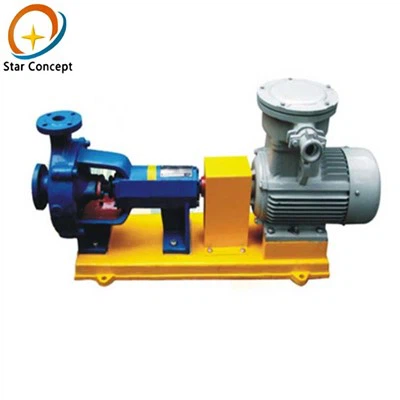
Mud pumps are another essential piece of equipment. Before cementing, we use these pumps to circulate drilling mud in the wellbore. The drilling mud helps to carry the cuttings to the surface and also provides pressure to prevent the well from collapsing. In a deviated well, the mud pumps need to work extra hard to ensure that the cuttings are effectively removed.
Our mud pumps are high – powered and efficient. They can generate the right amount of pressure to keep the mud flowing smoothly, even in a deviated well. We can also adjust the flow rate of the mud depending on the needs of the well. This allows us to optimize the hole – cleaning process and make sure that the wellbore is clean before we start cementing.
Cement Blenders
Once the wellbore is clean and the casing is in place, it’s time to start the cementing process. That’s where our cement blenders come in. These machines are responsible for mixing the cement slurry. In a deviated well, we need to make sure that the cement slurry has the right properties. It needs to be thick enough to support the casing and seal the annulus, but also fluid enough to flow easily through the wellbore.
Our cement blenders are equipped with advanced mixing technology. They can precisely control the ratio of cement, water, and additives to create a high – quality cement slurry. We can also adjust the mixing speed and time to ensure that the slurry has the desired properties.
Cementing Heads
The cementing head is the device that connects the cementing equipment to the casing. It controls the flow of the cement slurry into the wellbore. In a deviated well, the cementing head needs to be able to handle the unique flow conditions.
Our cementing heads are designed to provide a smooth and controlled flow of the cement slurry. They have special valves and fittings that can be adjusted to regulate the pressure and flow rate. This helps us to ensure that the cement is placed exactly where it needs to be in the wellbore.
The Cementing Process in Deviated Wells
Now that we’ve talked about the equipment, let me walk you through the cementing process in deviated wells.
First, we start with hole cleaning. We use the mud pumps to circulate the drilling mud, which helps to remove the cuttings from the wellbore. We keep circulating the mud until we’re sure that the wellbore is clean.
Next, we run the casing into the wellbore. We use centralizers to keep the casing centered. This is done carefully to avoid getting the casing stuck.
Once the casing is in place, we start preparing the cement slurry using the cement blenders. We make sure that the slurry has the right properties for the deviated well.
Then, we use the cementing head to pump the cement slurry into the wellbore. We monitor the pressure and flow rate closely to ensure that the cement is placed evenly. After the cement is pumped, we wait for it to set. This is a crucial step as the cement needs to form a strong bond with the casing and the wellbore to prevent fluid migration.
Quality Control and Monitoring
We don’t just set the equipment in motion and hope for the best. We have a comprehensive quality control and monitoring system in place. During the cementing process, we use sensors to measure the pressure, flow rate, and temperature in the wellbore. This data is transmitted in real – time to our control room, where our experts can analyze it.
If there are any issues, such as a sudden drop in pressure or an inconsistent flow rate, we can take immediate action. We can adjust the settings of the equipment to correct the problem and ensure that the cementing process is going as planned.
Conclusion

So, that’s how our cementing equipment works in deviated wells. We’ve designed and engineered our equipment to overcome the unique challenges presented by deviated wells. From centralizers to mud pumps, cement blenders to cementing heads, every component plays a crucial role in ensuring a successful cementing job.
Instrumentation If you’re in the market for reliable and high – performance cementing equipment for your deviated wells, we’re here to help. Our team of experts has the knowledge and experience to provide you with the best solutions for your specific needs. Whether you’re just starting a new project or looking to upgrade your existing equipment, we can offer you top – notch products and services. So, don’t hesitate to reach out for a procurement discussion. Let’s work together to make your well – cementing projects a success!
References
- Bourgoyne, A. T., Jr., Chenevert, M. E., Millheim, K. K., & Young, F. S. (1986). Applied Drilling Engineering. Society of Petroleum Engineers.
- Nelson, E. B., & Guillot, D. (2006). Well Cementing: Theory and Practice. Schlumberger.
Dongying Star Concept Petroleum Equipment Co., Ltd.
We are one of the most professional cementing equipment manufacturers and suppliers in China. With abundant experience, we warmly welcome you to buy durable cementing equipment made in China here from our factory. Good service and quality products are available.
Address: No. 9 Xisi Road, Dongying City, Shandong Province, China
E-mail: ellen@starconcept.cn
WebSite: https://www.star-cementing.com/
