As a supplier of CNC turning parts, I often get asked about the lead times for producing these essential components. Lead times are a critical aspect of manufacturing, influencing both production schedules and customer satisfaction. In this blog, I’ll delve into the factors that affect the lead times for CNC turning parts, provide insights into typical timeframes, and offer tips on how to minimize production delays. CNC Turning Parts
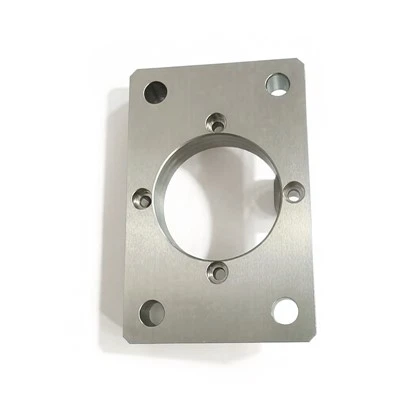
Factors Affecting Lead Times
Complexity of the Part Design
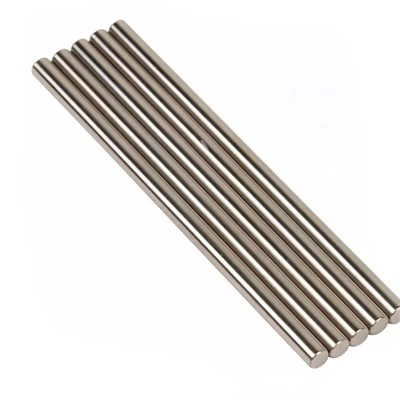
One of the primary factors that determine the lead time for CNC turning parts is the complexity of the part design. Simple parts with basic geometries, such as cylinders or shafts, can be produced relatively quickly. These parts typically require fewer machining operations and less programming time, resulting in shorter lead times.
On the other hand, complex parts with intricate shapes, tight tolerances, and multiple features take longer to produce. For example, a part with internal threads, cross-holes, and complex contours will require more machining steps and careful programming to ensure accuracy. The more complex the design, the more time it will take to set up the CNC machine, select the appropriate cutting tools, and perform the necessary operations.
Material Selection
The choice of material also plays a significant role in determining lead times. Different materials have different machining characteristics, which can affect the cutting speed, tool wear, and overall machining time. For instance, softer materials like aluminum are easier to machine and can be processed more quickly than harder materials like stainless steel or titanium.
In addition to the material’s hardness, the availability of the material can also impact lead times. If a particular material is in high demand or has limited supply, it may take longer to source, causing delays in production. As a supplier, I always work closely with my customers to select the most suitable material for their application while considering the availability and lead time.
Quantity of Parts
The quantity of parts ordered is another important factor that affects lead times. Producing a small batch of parts typically requires less time than producing a large batch. This is because setting up the CNC machine for a small batch involves less programming and tooling, and the machining process can be completed more quickly.
However, when producing large quantities of parts, the setup time is spread over a larger number of units, resulting in a more efficient production process. In some cases, I may be able to offer volume discounts for larger orders, which can help offset the cost of the initial setup.
Machine Availability
The availability of CNC machines can also impact lead times. If the machines are fully booked with other orders, it may take longer to schedule the production of your parts. As a supplier, I maintain a well-maintained fleet of CNC machines and a skilled team of operators to ensure that I can meet the production demands of my customers.
To minimize the impact of machine availability on lead times, I work closely with my customers to plan their production schedules in advance. By providing accurate lead times and working together to prioritize orders, I can ensure that my customers receive their parts on time.
Typical Lead Times for CNC Turning Parts
The lead times for CNC turning parts can vary widely depending on the factors mentioned above. In general, simple parts with basic geometries and standard materials can be produced within a few days to a week. For more complex parts or parts made from specialty materials, the lead time may range from one to several weeks.
Here is a breakdown of typical lead times based on the complexity of the part design:
- Simple Parts: For parts with basic geometries, such as cylinders or shafts, the lead time is typically 1 – 3 days. These parts can be produced quickly using standard machining processes and require minimal programming.
- Moderately Complex Parts: Parts with moderate complexity, such as parts with simple features or tight tolerances, usually have a lead time of 3 – 7 days. These parts may require additional machining operations and more precise programming to ensure accuracy.
- Complex Parts: Complex parts with intricate shapes, multiple features, and tight tolerances can take 1 – 4 weeks to produce. These parts require advanced machining techniques, specialized tooling, and careful programming to achieve the desired results.
It’s important to note that these are just general guidelines, and the actual lead time may vary depending on the specific requirements of your project. As a supplier, I always provide my customers with accurate lead times based on the details of their order.
Tips for Minimizing Lead Times
Early Planning
One of the most effective ways to minimize lead times is to plan your project early. By providing me with detailed specifications and a clear timeline, I can work with you to schedule the production of your parts in advance. This allows me to allocate the necessary resources and ensure that your order is prioritized.
Clear Communication
Clear communication is essential for minimizing lead times. Make sure to provide me with all the necessary information about your project, including the part design, material requirements, quantity, and delivery date. If you have any specific requirements or preferences, such as surface finish or packaging, be sure to communicate them clearly.
Standardization
Standardizing your part designs can also help reduce lead times. By using standard sizes, geometries, and materials, you can simplify the machining process and reduce the need for custom tooling and programming. This can result in faster production times and lower costs.
Partner with a Reliable Supplier
Working with a reliable supplier is crucial for minimizing lead times. Look for a supplier with a proven track record of delivering high-quality parts on time. A reliable supplier will have the necessary resources, expertise, and experience to handle your project efficiently and effectively.
Conclusion
Automation Parts Lead times are a critical aspect of manufacturing CNC turning parts. By understanding the factors that affect lead times and taking steps to minimize them, you can ensure that your project runs smoothly and that you receive your parts on time. As a supplier, I am committed to providing my customers with accurate lead times, high-quality parts, and excellent customer service. If you have any questions or would like to discuss your CNC turning part requirements, please don’t hesitate to contact me. I look forward to working with you to meet your manufacturing needs.
References
- Groover, M. P. (2010). Fundamentals of Modern Manufacturing: Materials, Processes, and Systems. John Wiley & Sons.
- Kalpakjian, S., & Schmid, S. R. (2013). Manufacturing Engineering and Technology. Pearson.
- ASME Y14.5-2009. Dimensioning and Tolerancing. American Society of Mechanical Engineers.
Suzhou Huaquan Electromechanical Manufacturing Co., Ltd.
As one of the leading CNC turning parts manufacturers in China, we warmly welcome you to buy bulk customized CNC turning parts made in China here from our factory. If you have any enquiry about pricelist and free sample, please feel free to email us.
Address: No.7550 Mudong Road, Hengjing Town, Wuzhong District, Suzhou City, Jiangsu Province, China
E-mail: Huaquan2005@outlook.com
WebSite: https://www.huaquancnc.com/
